
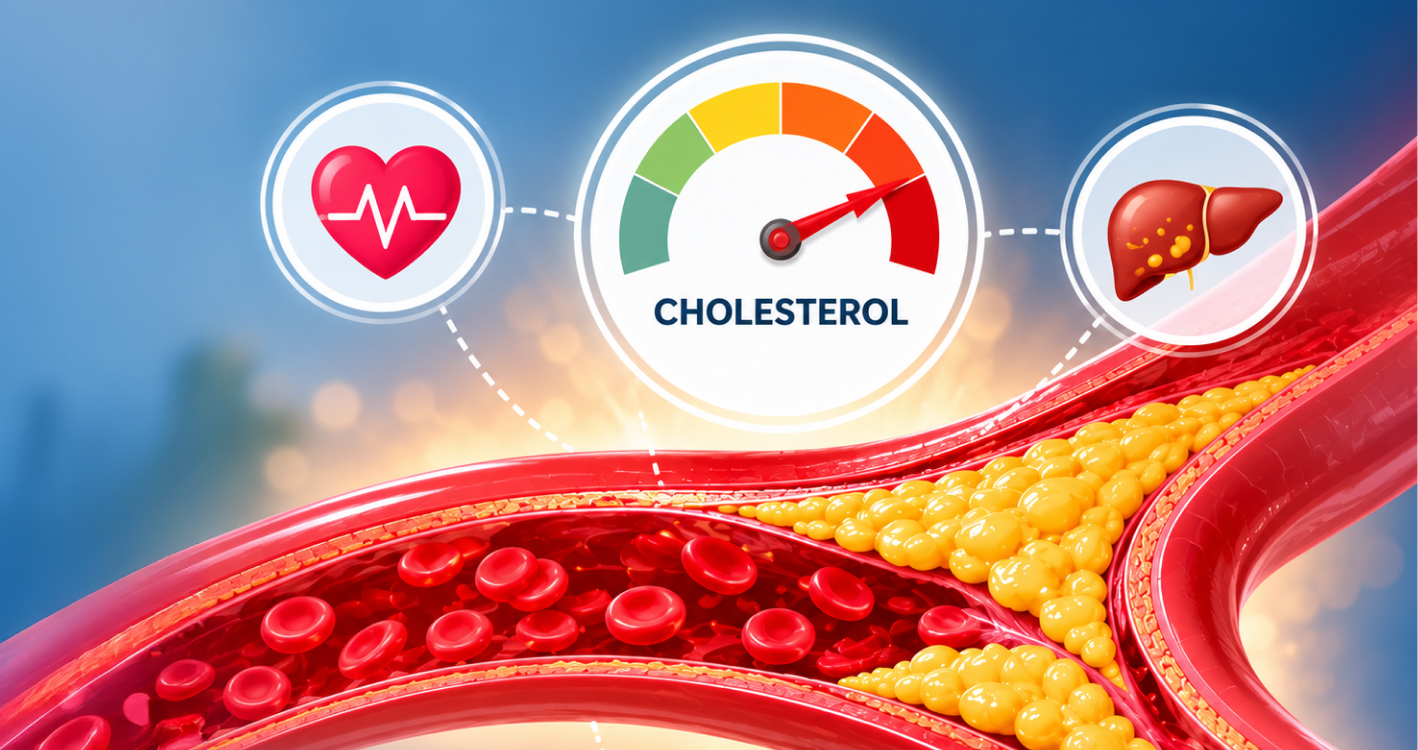
How Bariatric Surgery Can Help Improve High Cholesterol
The link between obesity and cholesterol lies in how excess body fat affects the body’s fat metabolism. This can lead to high LDL (bad) cholesterol, elevated triglycerides, and low HDL (good) cholesterol, a condition known as dyslipidemia that increases cardiovascular risk.
Does weight loss reduce cholesterol?
In some cases, yes. The link between cholesterol and weight loss involves improved insulin sensitivity and fat metabolism. Sustained weight loss, supported by healthy eating and regular physical activity, can improve cholesterol levels, although results vary by individual.
Bariatric surgery for high cholesterol may be an option for eligible individuals with obesity and related health conditions. Procedures such as gastric bypass and sleeve gastrectomy can support significant weight loss and metabolic improvements, potentially lowering LDL cholesterol and triglycerides while improving HDL cholesterol.
At NObesity, your medical team evaluates your weight, cholesterol levels, medical history, and overall health to determine a suitable treatment plan. Regular follow-ups, cholesterol monitoring, and continued lifestyle management remain important after surgery, as some patients may still require medication.
Long-Term Support for Metabolic Health
Controlling obesity and high cholesterol takes more than weight loss; it requires steady lifestyle changes, medical guidance, and ongoing monitoring to improve metabolic health. At NObesity, patients receive support throughout their bariatric surgery journey, from preparation through recovery and beyond.
Our community helps patients:
- Meet others with similar weight-management goals.
- Recognize the importance of eating well and staying active.
- Stay motivated to maintain long-term lifestyle changes.
- Build habits that support healthier cholesterol levels and general wellness
FAQs
Can Bariatric Surgery Help Lower High Cholesterol?
Yes. Bariatric surgery can help improve cholesterol levels in many patients with obesity. Sustained weight loss and metabolic changes may reduce LDL cholesterol and triglycerides, while HDL cholesterol may improve. Results vary depending on individual health factors and the procedure performed.
Does Weight Loss Reduce Cholesterol?
Weight loss can reduce cholesterol and triglycerides, especially in people whose abnormal lipid levels are linked to excess body fat. Healthy eating, regular physical activity, and medical treatment when necessary can further support cholesterol management.
Who Should Consider Bariatric Surgery For High Cholesterol?
Bariatric surgery may be considered for individuals with obesity who meet established surgical eligibility criteria, especially when they also have obesity-related conditions such as dyslipidemia, Type 2 diabetes, or hypertension. A specialist must assess your overall health before recommending surgery.
Which Bariatric Surgery Is Best For High Cholesterol?
Procedures such as sleeve gastrectomy and gastric bypass can improve lipid levels in eligible patients. The most appropriate procedure depends on your BMI, medical history, metabolic health, and other individual factors. Your bariatric surgeon can help you understand the available options.
How Long Does It Take For Cholesterol To Improve After Bariatric Surgery?
Cholesterol levels may begin to change during the months following surgery as weight loss and metabolic improvements progress. The timeline varies from person to person, so regular lipid-profile testing is important to assess your response.
Will I Still Need Cholesterol Medication After Bariatric Surgery?
Possibly. Some patients may need lower doses or fewer cholesterol-lowering medications after surgery, while others may need to continue treatment. Never stop or change prescribed medication without consulting your treating physician.
Can High Cholesterol Return After Bariatric Surgery?
Yes. Cholesterol levels can rise again due to weight gain, dietary habits, genetic factors, or other medical conditions. Long-term follow-up, healthy eating, physical activity, and regular blood tests can help identify and manage changes.
Is Bariatric Surgery Performed Only To Treat High Cholesterol?
No. Bariatric surgery primarily treats obesity in eligible patients. Improvements in cholesterol and other metabolic conditions are potential additional benefits. High cholesterol alone does not automatically make someone eligible for surgery.