Food Blogger vs Fitness Blogger: Popularity Trends and Their Connection to Weight and Health
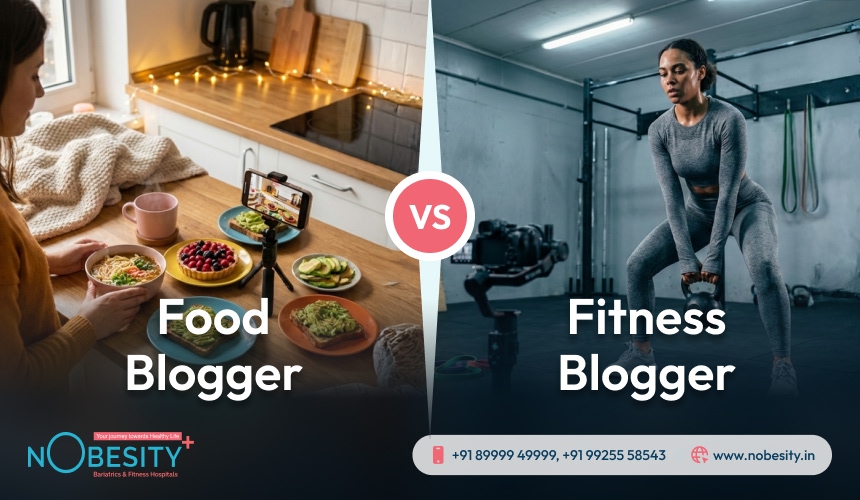

Scroll through social media for a few minutes, and you will notice a pattern. A new café is opening. A viral dish. A quick workout reel. A fitness tip in 30 seconds. Social media reels have become the new everyday influence on how people think about food, fitness, and health.
In the current digital economy, food and fitness bloggers represent two sides of the same lifestyle coin, often competing for the consumer’s psychological attention. While food bloggers have mastered Sensory Storytelling using high-definition visuals and ASMR to trigger immediate physiological cravings for viral eats, fitness bloggers have pivoted toward Functional Longevity, using wearable tech and biohacking to project an idealized image of peak performance.
This creates a perpetual tension for the audience. Food influencers provide a sense of community and immediate gratification through culinary indulgence, while fitness influencers demand discipline and long-term commitment to a physical ideal. Caught between these extremes, many people begin searching for weight loss options that go beyond trends and fads, looking for approaches that balance enjoyment, health, and sustainability.
Together, they define a modern landscape where the joy of consumption is constantly measured against the pressure of physical results, often leaving individuals unsure whether inspiration alone is enough or whether more structured options like weight loss surgery is needed to support real, lasting change.
To understand the link between digital media and public health, we must look beyond follower counts to how engagement dictates behavior. While food content often triggers immediate, impulsive consumption, fitness content drives long-term, goal-oriented investment. This data reveals a clear psychological divide between “passive entertainment” and “active self-improvement,” directly influencing our physical health choices.
| Metric | Food Bloggers | Fitness Bloggers |
| Viral Potential | Extremely High. Food content has a 35% higher share rate than fitness content. | Moderate. Content is often saved for “later” rather than shared instantly. |
| Engagement Type | Passive/Entertainment. Users watch for “stress relief” or “cravings.” | Aspirational/Active. Users engage to track goals or find specific routines. |
| Audience Loyalty | Broad but Shallow. Users follow hundreds of food accounts for variety. | Niche but Deep. Users tend to follow 3–5 “coaches” they deeply trust. |
| 2026 Trend | “The Gut-Health Pivot”: Massive rise in fermented foods and “brain-food” content. | “Metabolic Health”: A shift from muscle-building to internal wellness and fat loss. |
The “Universality” Factor: Food blogging thrives because eating is a universal, daily necessity; a 30-second recipe video often gains 5x the views of a fitness tutorial because it provides immediate, low-barrier “entertainment value” that resonates regardless of the viewer’s physical goals.
The “Utility” Factor: In contrast, fitness content operates on a “high-utility” model where engagement is driven by intent; users are less likely to share a workout casually, but they are 40% more likely to “save” or “bookmark” it, treating the influencer as a digital archive for future self-improvement.
The constant stream of these two extremes creates a “Normalization Paradox,” often leaving followers in a state of quiet frustration. It is easy to feel “not enough” when your feed alternates between the pressure of dietary perfection and the temptation of endless indulgence.
Recognizing these emotional triggers is the first step toward reclaiming your narrative. Real health isn’t found in the extremes of a social media feed; it is found in the quiet, personalized care that respects both your body and your peace of mind. Ultimately, this constant oscillation between digital indulgence and unrealistic fitness goals often leads to unintended weight gain; without a clear, sustainable roadmap, many find themselves caught in a cycle of metabolic confusion, juggling the complexities of obesity as a direct result of following trends that ruin more than they benefit.
While influencers spark our interest, they provide a one-size-fits-all blueprint. To build a lifestyle that actually lasts, it’s helpful to move from broad inspiration to personalized architecture. Consulting a professional isn’t about restriction; it’s about getting a custom-fit strategy for your unique biology.
For many, the noise of social media creates a confusing cycle: adopting trending “foodie” habits one week, only to jump into an intense, mismatched fitness goal the next. When someone has spent years juggling inconsistent habits and struggling with obesity, the weight of that journey—both physical and emotional—can become overwhelming. In these cases, it’s important to realize that a lack of progress isn’t always about a lack of effort; it’s often because the body needs a more significant intervention to break the cycle.
For individuals in this position, exploring a safe and clinically-proven path like Bariatric Surgery can make sense. It isn’t about choosing an “easy way out,” but about choosing a medical tool that provides a necessary reset. By helping to stabilize the metabolic hurdles that make traditional weight loss so difficult, these procedures allow people to finally see the rewards of their hard work. It provides a foundation of safety and sustainability for those ready to move past the struggle and toward a life of lasting health.
Your health journey isn’t a viral trend; it’s a personal narrative. The key is knowing which tool to use and when:
Social media has changed how we relate to food and fitness, often pulling us between indulgence and discipline without offering a sustainable middle ground. While food and fitness bloggers can inspire awareness and motivation, their content is rarely designed for long-term health outcomes. Real progress comes from stepping beyond trends and understanding what your body truly needs. For some, that means structured guidance from nutrition and fitness professionals; for others facing long-standing weight challenges, it may involve exploring clinically guided options such as weight loss surgery with experienced providers like NObesity. The key is choosing informed, personalized care over viral advice, and building a path to health that is realistic, respectful, and sustainable.