Post-Bariatric Surgery Diet Plan: Week-by-Week Food Stages Explained

Living with obesity can be physically and emotionally exhausting, especially when repeated attempts at diets and exercise stop working. For many, weight loss surgery becomes a turning point—not as a quick fix, but as a step toward lasting change.
The surgery creates the foundation, but long-term success depends on what follows. As the stomach heals and digestion changes, the right post-surgery eating approach helps reduce complications and supports steady progress.
This is why choosing the right bariatric surgery centre matters beyond the operation itself. Ongoing dietary guidance and nutritional support play a key role in recovery and long-term health.
For those considering metabolic or bariatric surgery, NObesity becomes a partner in the journey—offering care that adapts to your recovery pace. Read on to learn how post-surgery eating is approached thoughtfully as your body heals.
After bariatric weight loss surgery, one of the biggest changes patients notice is how the stomach responds to food. The size reduces, capacity becomes limited, and hunger cues shift quickly. While this supports safe weight loss, it also means the stomach needs gentle care in the early weeks.
Following any major weight loss procedure, the stomach is highly sensitive. Even small portions can feel heavy, and digestion may slow as the body adapts. This is a normal part of recovery.
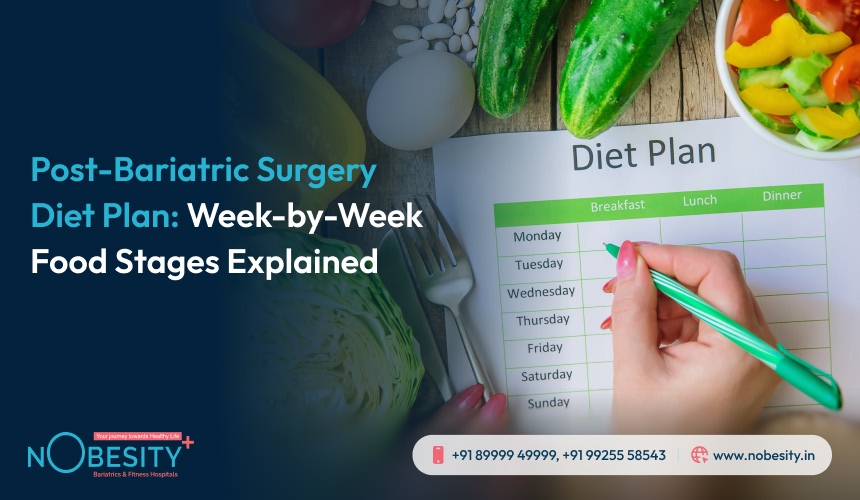
That’s why the post-surgery diet progresses in stages—from clear liquids to blended foods and then soft solids. These steps protect the healing stomach and help the body adjust safely without added stress.
Here are the key reasons structured food stages matter:
This is why we guide every patient through each stage with care. When you move at the right pace, your stomach heals better, your energy returns faster, and your transformation becomes stronger and more predictable.
Your diet after weight loss surgery cannot move forward all at once. A safe recovery depends on how your bariatric diet progresses in stages, giving your stomach time to heal and your body time to adjust to its new rhythm. Each phase introduces a little more texture and variety, but always at a pace your healing stomach can handle.
The goal is not speed. The goal is stability.
By moving gradually from liquids to blended foods and then to soft solids, you avoid discomfort, and keep your recovery smooth. Our team stays with you through each step so you always know what to eat, how much to take, and when your body is ready for the next stage.
This is the most sensitive phase of your recovery. Your stomach is healing from bariatric weight loss surgery, and even a small amount of pressure can cause discomfort. Clear liquids keep you hydrated without stressing your stomach.
During this week, we guide you on the right liquids, how frequently to sip, and how to identify early signs of dehydration. We also remind you to avoid straws because they push air into the stomach and cause pain. You’re not just drinking liquids; you’re giving your stomach the quiet time it needs to heal.
Once your stomach settles, we help you shift to soft blended foods. These provide gentle nutrition without overwhelming your digestion. At this stage, your body starts rebuilding strength, so introducing small amounts of protein becomes important.
Our dietitians assist you with choosing the right pureed foods, checking your portion sizes, and making sure you’re meeting your early protein goals safely. If anything feels heavy, we adjust your plan immediately. The transition is guided, never rushed.
By week three, your stomach is more stable, but still delicate. You can slowly increase the thickness and variety of your meals. This isn’t about experimenting; it’s about easing your body into the next level of tolerance.
We help you recognise the signals your stomach gives—what feels comfortable, what feels too much, and when to pause. This stage often builds confidence because you begin to feel more normal with food again, but our team ensures you stay within safe limits throughout this phase.
Now your body is ready for lightly textured foods that don’t require blending. Soft dals, soft-cooked vegetables, paneer, and eggs become easier to handle. This phase marks your transition into a more structured eating routine after obesity (weight loss) surgery.
Our team helps you choose the right soft foods, explains how to chew slowly, and guides you on which ingredients to avoid—especially anything spicy, oily, or hard to digest. The goal is to reintroduce solids without discomfort and prepare you for long-term eating habits that support sustainable results.
The way you eat after bariatric surgery plays a major role in your recovery. While the procedure reshapes your stomach, your daily habits determine how well it heals and adapts. Following the right diet after weight loss surgery helps prevent discomfort and supports lasting results. This phase isn’t about strict dieting—it’s about building sustainable habits.
After surgery, your stomach is highly sensitive and can handle only small portions. Heavy, sugary, or rushed meals can quickly cause discomfort. That’s why understanding what to eat after bariatric surgery is essential. With the right guidance, recovery stays smooth, and progress remains steady as your body adjusts.
Here are the core guidelines every patient must follow:
As we guide you through these rules, our goal is to make the process simple and achievable. You don’t have to figure this out alone. Our nutritional team at NObesity helps you apply these guidelines every day so your body heals well and your results remain strong for years to come.
Ongoing dietary guidance matters just as much as the procedure itself. Recovery isn’t the same for everyone, and support that continues beyond surgery helps patients adapt safely over time and maintain long-term health and weight-loss results.
At NObesity, care extends well beyond surgery, with continued dietary guidance and follow-ups that support each stage of recovery and lifestyle change. To see how this guidance applies in daily life, it’s helpful to begin with portion control—how often to eat, how much to eat, and how these portions evolve as the body heals.
In the initial weeks, we recommend six small meals a day. This prevents strain on your stomach while keeping your nutrition steady. As your body adapts, we gradually guide you toward four well-balanced meals. Understanding portion sizes helps you know what to eat after bariatric surgery and how much your body can handle comfortably.
Daily fluid intake is just as important as food, but timing matters. We advise patients to aim for around 1.9 litres of fluids per day, taken slowly throughout the day. Fluids should be sipped between meals, not during them, to avoid discomfort. Building this habit early helps prevent fatigue, dizziness, and dehydration while supporting smooth digestion.
Because food intake is reduced, certain vitamins and minerals must be replaced through supplements. After obesity surgery, nutrients like protein, iron, calcium, vitamin B12, and vitamin D become essential. Along with supplements, we also guide patients on what can you never eat again after surgery, focusing on foods that may trigger discomfort or interfere with long-term progress.
This phase is where lasting habits begin. With proper portion control, consistent daily fluid intake, and the right nutrition, recovery becomes smoother, and results remain sustainable for years to come.
The first month after surgery can feel unpredictable. As the body heals, eating habits change, and emotions may fluctuate, with some days feeling easier than others. These ups and downs are a normal part of adjusting to life after surgery.
This is also when many patients realise that recovery goes beyond the operation itself. Ongoing dietary guidance and lifestyle support help make early challenges easier to manage and reduce feelings of overwhelm during this transition.
In the initial weeks, food may behave differently than expected. Certain textures or ingredients may cause discomfort, heaviness, or nausea, even when they are allowed. These experiences are common and usually improve as healing progresses and tolerance builds.
Patients are guided on how to adjust meal pace, textures, and portions to stay comfortable while still meeting nutritional needs. Small changes often make a big difference during this stage.
Many patients struggle to drink enough fluids in the first few weeks, especially when balancing meal timing and stomach capacity. Low fluid intake can lead to fatigue, dizziness, or low energy.
Support during this phase focuses on building steady sipping habits and recognising early signs of dehydration, helping patients maintain strength and comfort as their body adapts.
Weight loss surgery changes the physical ability to eat, but emotional habits around food can take time to adjust. Feelings of frustration, emotional hunger, or mood fluctuations are common in the early recovery period.
This is where shared experiences can be especially reassuring. Regular conversations around lifestyle changes, emotional well-being, and long-term habits help patients feel understood and supported rather than isolated.
Early challenges often lead patients to wonder what to expect in the first year after bariatric surgery. While the first month focuses on healing and adjustment, the months that follow are about building consistency, improving tolerance, and forming sustainable habits. With continued dietary guidance and follow-ups from the NObesity team, most early discomforts ease, routines become more natural, and confidence grows. Having long-term support allows patients to adapt their diet and lifestyle gradually as their body continues to change.
Choosing a bariatric surgery centre involves more than selecting where the operation takes place. Patients look for expert surgical care, safe medical protocols, and, just as importantly, ongoing dietary and lifestyle guidance. After surgery, diet plays a central role not only in weight loss but also in maintaining overall health and preventing nutritional deficiencies. Long-term success depends on how well these elements are managed together.
Patients across the region trust NObesity for its experienced clinical team and consistent outcomes. The focus is always on safe, evidence-based care led by a Trusted Bariatric Surgeon in Ahmedabad for Advanced Bariatric Surgery, ensuring patients feel confident at every step of the process.
Every patient’s recovery journey is different. Instead of rigid plans, dietary guidance is adapted based on individual tolerance, progress, and lifestyle. This personalised approach is one of the reasons many consider NObesity among the best bariatric surgeons in Gujarat, as care continues well beyond surgery through structured follow-ups and nutritional monitoring.
What sets the centre apart is the emphasis on long-term partnership. Patients are supported through recovery, lifestyle changes, and ongoing health management with consistent follow-ups and guidance. This continuity of care is why many patients recognise NObesity as one of the best hospitals for bariatric surgery in Ahmedabad, especially for those seeking lasting results rather than short-term fixes.
For anyone considering metabolic or bariatric surgery, NObesity is not just a treatment provider. It is a long-term partner—supporting patients through surgery, recovery, and the many adjustments that follow, so transformation is sustained with confidence and care.
When patients begin researching Weight Loss Surgery Ahmedabad, one of the first questions they have is about cost. Bariatric surgery pricing is not uniform because treatment decisions are based on individual medical evaluation rather than standard packages. Factors such as the type of surgery recommended, overall health condition, hospital facilities, length of stay, and post-surgery care all influence the final cost.
Cost should always be understood in a clinical context. Lower pricing alone does not define quality, just as higher pricing does not always indicate better outcomes. What matters most is transparency, medical suitability, and the level of long-term support provided after surgery.
Patients may also come across the term Best Treatment Cost Guaranteed while comparing treatment options. From a clinical perspective, this does not imply a fixed or universal price for all patients. Instead, it reflects a commitment to transparent pricing—where costs are clearly explained, unnecessary add-ons are avoided, and treatment plans are guided by medical needs rather than preset bundles.
This approach allows patients to understand what they are paying for and why, helping them make informed decisions without surprises later in the treatment journey.
While the exact cost is determined only after consultation and evaluation, bariatric surgery in Ahmedabad generally falls within the following range:
₹2.5 lakhs to ₹7 lakhs
The final cost may vary depending on:
Many patients also compare costs across major metro cities before deciding. Below is an indicative comparison to help set expectations:
| City | Approximate Cost Range |
| Ahmedabad | ₹2.5 – ₹7 lakhs |
| Mumbai | ₹4 – ₹10 lakhs |
| Delhi NCR | ₹3.5 – ₹7 lakhs |
| Bengaluru | ₹4 – ₹6 lakhs |
| Chennai | ₹3.5 – ₹6 lakhs |
| Hyderabad | ₹3 – ₹5.5 lakhs |
Costs are indicative and may vary based on hospital, surgeon expertise, and patient-specific requirements. Rather than focusing only on numbers, patients should consider surgeon experience, hospital safety protocols, dietary guidance, and long-term follow-up care. Clear communication around cost, combined with medically guided treatment decisions, helps ensure safer recovery and more sustainable results.
Bariatric surgery is not just a procedure—it is a long-term health journey that depends on informed choices, patient commitment, and the right medical support. From understanding how the body adapts after surgery to following stage-wise dietary guidance, managing early challenges, and building sustainable habits, every step plays a role in long-term success. This journey typically begins with a detailed clinical evaluation, including a BMI assessment, which helps guide treatment decisions and track progress over time.
With a trusted medical framework like the one followed at NObesity, patients benefit from thorough evaluation, coordinated care across disciplines, and continued guidance that extends well beyond surgery. This balance of clinical expertise, regular monitoring, and ongoing support helps ensure that recovery is safe, progress is steady, and health remains the priority—turning weight loss into lasting well-being.