
Can Obesity Cause Knee Pain?
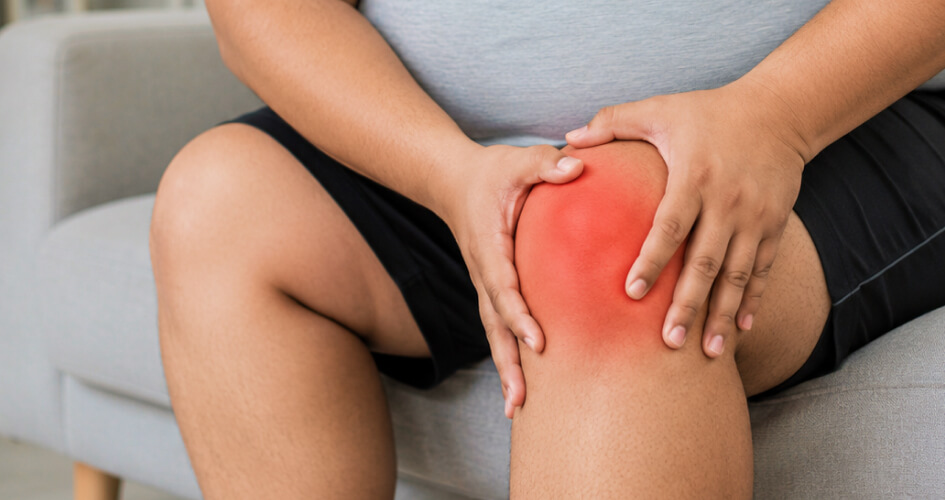
Your knees support your body throughout daily activities like walking, standing, and climbing stairs. When body weight increases, the load transferred through these joints may also rise, which can affect comfort, mobility, and overall activity levels.
Over time, this may create a cycle where movement becomes difficult, reduced activity affects weight management, and additional weight continues to place stress on the knees.
You may consider discussing a weight-related evaluation if you:
- Experience chronic knee pain regularly
- Feel discomfort while walking or climbing stairs
- Find exercise difficult because of body weight
- Have regained weight after multiple attempts
- Have been advised to reduce weight before orthopedic treatment
Better Health Decisions Begin With Better Conversations
If you have been living with knee pain due to obesity, understanding your options may be the best place to start.
At NObesity, every journey begins with listening, evaluation, and helping patients make informed decisions with clarity. Whether you are exploring structured weight management or simply want to understand the relationship between obesity and knee pain, our team is here to help you take the next step with confidence.
Call us at: +91-8999949999 or drop us an email at info at info@nobesity.in
FAQs
Can bariatric surgery cure Type 2 Diabetes?
While "cure" is not the precise medical term, bariatric surgery can help many eligible patients achieve clinical remission, meaning their blood sugar levels return to non-diabetic or near-normal levels without the need for diabetes medications. Eligible patients achieve remission, depending on factors such as diabetes duration, pancreatic function, and the type of bariatric procedure performed.
How does bariatric surgery lower blood sugar before weight loss happens?
Bariatric surgery changes the anatomy of your digestive tract, leading to significant hormonal changes. This hormonal shift significantly improves insulin sensitivity and stimulates the pancreas to produce insulin more effectively. Because of this molecular change, patients may see their blood sugar levels improve significantly within days of the procedure, long before significant weight loss begins.
Who is eligible for metabolic surgery for diabetes in India?
According to clinical guidelines tailored for Indian ethnicities, you are eligible for bariatric surgery if you have Type 2 Diabetes and:
- A Body Mass Index (BMI) of 32.5 kg/m² or higher (regardless of diabetes control).
- If you want to do Bariatric Surgery in your Mediclaim, then BMI of ≥ 35 kg/m² along with severe weight-related comorbidities (e.g., uncontrolled Type 2 diabetes, severe sleep apnea, obesity-related heart disease)
Will I be able to stop taking my diabetes medications completely?
Many patients can reduce or discontinue their diabetes medications after bariatric surgery. However, outcomes vary depending on factors such as the duration of diabetes, pancreatic function, and overall health. At NObesity, our medical team will closely monitor your blood sugar levels and adjust medications as appropriate.
Which bariatric procedure is best for treating Type 2 Diabetes?
Gastric Bypass (Roux-en-Y) and Mini Gastric Bypass (MGB) are generally considered the most effective bariatric procedures for Type 2 Diabetes, as they produce powerful metabolic changes that help improve insulin sensitivity. We recommend consulting Dr. Manish Khaitan to determine which procedure is best suited to your individual health needs.
How do I manage my traditional Gujarati/Indian diet after surgery?
Post-surgery, your diet will transition to a high-protein, low-carbohydrate structure to maximize your metabolic benefits. Because traditional Gujarati diets are heavily carbohydrate-centric (rice, rotli, farsan), the clinical nutritionists at NObesity provide customized, localized meal plans. We work closely with you to adapt your favorite regional foods into protein-rich versions that support your health without sacrificing local flavors.
What happens if I have a sweet tooth after bariatric surgery?
Bariatric surgery naturally alters taste preferences and may reduce sugar cravings in patients due to changes in gut hormones and appetite regulation. Furthermore, if you consume highly sugary foods after a gastric bypass, you may experience nausea, dizziness, and cramping, which act as a natural physiological deterrent against eating sweets.
Is bariatric surgery safe for individuals with diabetes complications?
Yes. Bariatric surgery may help slow the progression of diabetes-related complications when combined with appropriate medical care. At NObesity, we prioritize patient safety by conducting a rigorous, multi-specialty pre-operative screening. Our comprehensive approach ensures that your heart, lungs, and kidneys are fully cleared and optimized by experts before you step into the operating room.